duggi

exad

Tampilkan postingan dengan label south korea. Tampilkan semua postingan

Kamis, 12 Februari 2015

USA - Nissan to import more Rogue Crossovers into the USA amid a sales boom for the model.

Renault-Nissan will export 38 percent more Nissan Rogue crossovers to the U.S. from South Korea in 2015 than planned earlier, to meet rising demand in North America.
The alliance will produce 110,000 Rogue crossovers at Renault’s South Korean factory for U.S. exports this year, from its previous plan of 80,000.
Nissan started producing the Rogue in South Korea and shipping it to the U.S. last year, a move that helped boost the factory utilization of Renault Samsung, the South Korean unit of the French carmaker.

Renault Samsung, squeezed by bigger rival Hyundai Motor Co. and German imports, saw its domestic sales nearly halve in 2012, although they have been recovering since then.


The Rogue, of which a new version was launched in 2013, is Nissan’s second best-selling model in the U.S. after its Altima midsize sedan, and posted a 13 percent rise in sales in January from a year earlier. Overall sales of compact crossovers rose 20 percent in the month.
Nissan also shifted the production of Rogue from Japan to the U.S. and started producing the model in Tennessee in 2013.

REPORT HERE

Senin, 19 Januari 2015

Aston Martin expands into Seoul, South Korea, with first dealership.

Aston Martin is further expanding its operations across Asia with news that the luxury British sports car brand is to open a first showroom in the South Korean capital, Seoul.

Operated by Kiheung International Limited Company the new dealership will comprise a state-of-the-art 1,500 square metre facility at 235 Banpo Street, Seocho-gu in Seoul.

Set to open to customers in April 2015, the new showroom becomes Aston Martin’s first and only official dealership in South Korea and signals the British sport car brand’s ambition to expand its sales and service operations to cover more of the world’s key luxury markets.
CEO of the new dealership, Mr Lee Kei Wung, said: “I am honored to be able to launch Aston Martin in the Korean market.


“As befits this great British luxury sports car brand, Aston Martin Seoul will strive to constantly exceed our customers’ expectations in every way.”

He added: “The new dealership we are establishing here will provide exceptional aftersales service. In fact, our technicians have already completed the detailed and rigorous Aston Martin training course in England.

“We will do everything possible to offer a complete one-stop ‘shop’ for all things Aston Martin: from new and pre-owned car sales to the highest quality after-sales service.”

Welcoming the announcement of the new dealership in Seoul, Aston Martin Global Sales Director Christian Marti said: “I’m very happy that we are able to develop this stunning new facility in South Korea.

“Offering the highest levels of sales and after-sales service to our owners around the world is fundamental for our business, and I’m very pleased that we have been able to add further dealer coverage in this key region.”

Hyundai surprises with new Pick Up Concept and Sonata Hybrid at Detroit.

  • Convention-shattering Santa Cruz concept shows Hyundai Motor’s fresh take on the sport truck concept
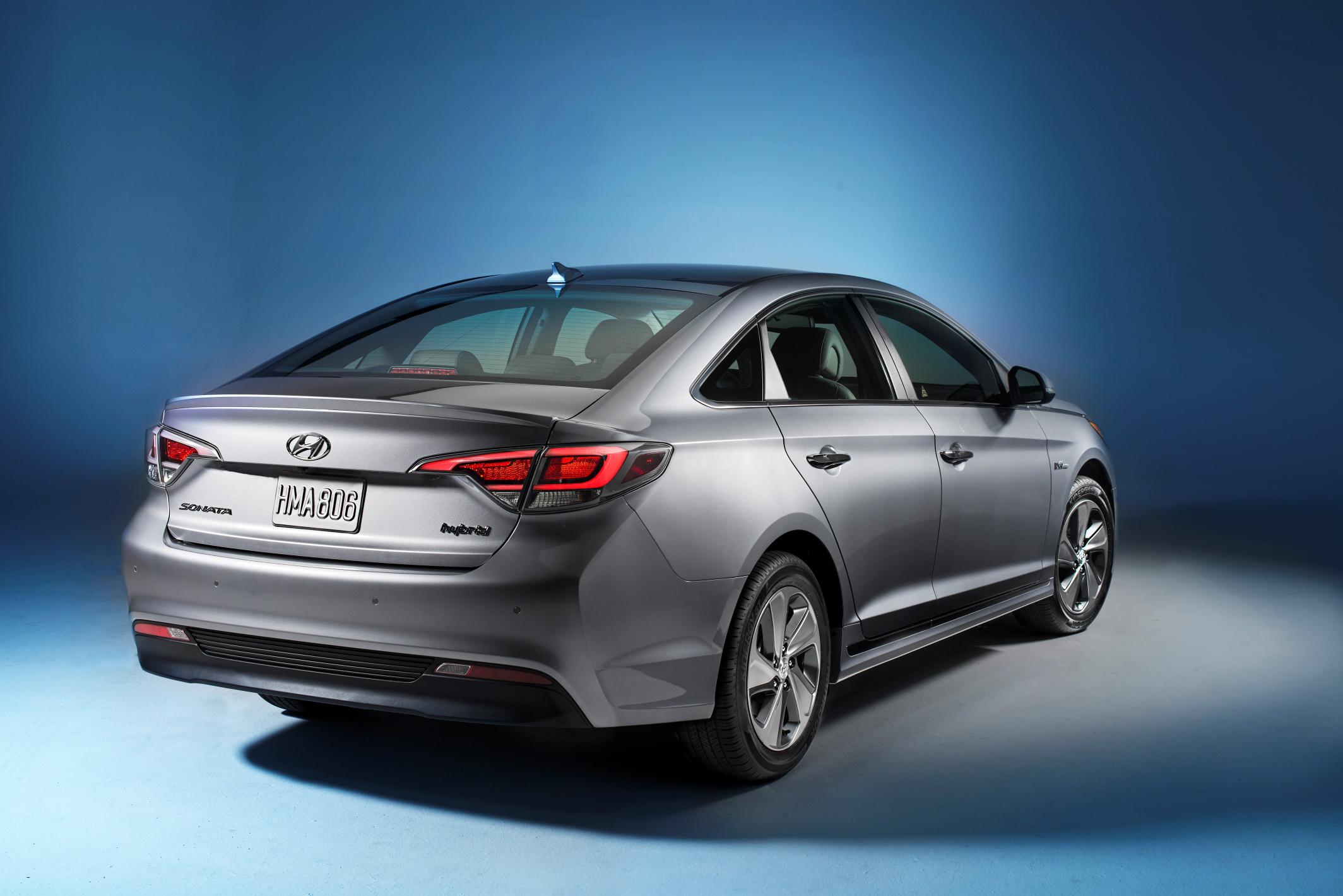
  • Sonata Plug-in Hybrid, Hyundai Motor’s first of its kind, makes its debut
Hyundai Motor Company, the fastest-growing automaker by brand, today staged a world premiere of Santa Cruz crossover truck concept and Sonata Plug-in Hybrid, the company’s first Plug-in Hybrid Electric Vehicle (PHEV), at the 2015 North International Auto Show.

The Hyundai Sonata Plug-in Hybrid Electric Vehicle (PHEV) is expected to travel up to 22 miles on electric power and can recharge in as little as two and a half hours with a Level 2 charger. Sonata Plug-in Hybrid will be built at the Asan, South Korea plant and will go on sale in select markets later this year.

Hyundai Motor’s innovative Santa Cruz Crossover Truck Concept was also revealed at the show. This fresh concept reflects a completely new interpretation of truck utility for a new generation of buyers, especially Millennials, who represent the second-largest population of car buyers in the US.


SANTA CRUZ

URBAN ADVENTURERS

Modern urbanisation is impacting the market in a broad way, and this trend is especially strong with young adults, who face tighter parking on streets and parking garages, and increasing congestion overall. These trends are not confined to one specific region of the US; they’re happening in urban hubs everywhere. These “Urban Adventurers” have a different mindset, being very active both socially, and in their communities, bringing a pioneering spirit to make their neighborhoods a better place to live and work.

SANTA CRUZ CONCEPT

To meet the specific needs of these Urban Adventurers, Santa Cruz doesn’t focus on all the same attributes as traditional pickups. It’s designed to meet more of their desires for expression, efficiency and maneuverability. Hyundai designers created a bold design that conveys this lifestyle, with a wide, sure-footed stance and an aggressive side-profile rake. 

The front view features an upright, hexagonal grille with cascading lines framing the sides, dual lens-free, honeycombed headlamp projectors, and prominent LED fog lamps. The side profile is highlighted by oversized wheels, Michelin® tires with a special tread design, center-locking hubs and yellow Brembo® brake calipers.

For ease of access to the rear seats, Santa Cruz features convenient, rear-hinged rear doors which integrate seamlessly with the front door design. The wheel arches, roof, and bed rails offer convenient tie-down cleats for securing cargo of all shapes and sizes. From the rear, the concept presents highly-contoured bed forms, and for extra utility, the expandable bed can be easily reconfigured for longer cargo, using a unique drawer-like sliding function.

Efficiency is a key attribute of its advanced powertrains, with a 2.0-liter turbo diesel powertrain delivering 190 horsepower and 300 lb.-ft. of torque, while achieving fuel economy in the high 30 mpg range. Santa Cruz also offers Hyundai’s HTRAC® All-wheel drive system, so there’s no anxiety about getting those snowboarding “fresh tracks” right after a storm moves through.

The concept is purposefully compact, and although it has four doors and seating for five, its overall footprint is similar to a small CUV. These dimensions make it ideal for navigating the urban environment or a tight parking spot that most pickup drivers often have to pass by. It offers typical CUV driving character, but with a versatile cargo bed that provides separated storage for all they want to bring along.

Items can be securely locked in the back under an integrated rigid tonneau cover that conveniently retracts when not needed.  It not only keeps items safe and out of sight, it also keeps the interior clean and fresh. Santa Cruz is the perfect vehicle for those that want the attributes of a CUV, but still have dirty stuff that belongs “in the back.”

INNOVATIVE TAILGATE EXTENSION

Sometimes, there are those needs that call for even more cargo room; that’s why Santa Cruz offers an innovative tailgate extension that allows the bed length to be expanded whenever those “just in case” moments arise. The extension is perfect for everything from an epic mountain bike trip to bringing home an antique chest or classic motorcycle that’s ripe for restoration.  

When fully extended, Santa Cruz’s bed length is similar to a mid-size pickup, providing the ability to carry much more than its compact footprint would suggest, yet only when needed. Santa Cruz was designed to accommodate whatever the Urban Adventurer’s lifestyle calls for, whether expected or unexpected. 

Some of the industry’s past attempts to blend truck-bed flexibility with passenger-car attributes were limited because they didn’t deliver the practical benefits the customer expected. Most tried to straddle the line by attracting traditional truck buyers with compromised products at a similar price point, failing to deliver any differentiating benefits. Santa Cruz, by design, isn’t an alternative to a truck, so towing, payload and ground clearance were not primary goals. Rather, Santa Cruz is intended to attract CUV and sedan buyers who are seeking greater utility, without the compromises that traditional trucks often require.

MORPHING LIFESTYLE DEMANDS

Hyundai research revealed that not everyone who wants an open-bed vehicle is willing to accept the tradeoffs that come with it. As evidence of this, industry pickup truck share is down over five percent in the last 10 years, with the biggest shift among young adults, reflecting a need for something that more closely matches these morphing lifestyles. In the past, small trucks accounted for half of pickup sales, and they were particularly popular with younger buyers.

Today, that same young truck market is almost non-existent, and millennials under 30 represent just seven percent of all pickup purchases. Women, who buy more than half of all CUVs sold, now account for only 10 percent of pickup sales. Santa Cruz is intended to meet the customer needs that the current truck product offering is simply not fulfilling.

Santa Cruz is for the growing population who sees and pursues the world differently, those who want all the traditional attributes of a small CUV, but need the day-to-day versatility of an open bed. It’s the crossover truck that meets the unspoken needs of Urban Adventurers.

SONATA PLUG-IN HYBRID

PLUG-IN POWERTRAIN

Although the Sonata Plug-in Hybrid is very technologically advanced, it will behave much like the regular Sonata Hybrid from the driver’s seat. A 9.8 kWh lithium polymer battery pack, roughly five times larger than the Sonata Hybrid’s battery, is expected to give Sonata Plug-in Hybrid an all-electric range of up to 22 miles, further than any other midsize PHEV saloon.

Sonata Plug-in Hybrid uses a six-speed automatic transmission with Hyundai’s Transmission-Mounted Electrical Device (TMED), a 50 kW electric motor, in place of a torque converter. 

The 50 kW electric motor is 32 percent more powerful than the motor used the in regular Sonata Hybrid and allows EV operation at higher speeds. A 2.0-liter Nu four-cylinder GDI engine coupled with the electric motor allows the Sonata Plug-in Hybrid to operate just like the Sonata Hybrid once the onboard battery charge is depleted. Sonata PHEV’s Nu engine produces 154 horsepower and 140 lb. ft. of torque and the total system output is 202 horsepower at 6,000 rpm.

Sonata PHEV is expected to deliver 93 MPGe combined in EV mode based on internal estimates. In charge sustaining mode, the Sonata PHEV is expected to return 38 mpg in the city, 43 mpg on the highway and 40 mpg combined based on internal testing. Recharge time ranges from two and a half hours at a 240V Level 2 charging station to five hours using a standard 120V outlet.

Minggu, 11 Januari 2015

Detroit Electric launches first ever car, well, not really it is a Lotus with a battery and new badge.

  • Exterior and final interior designs for SP:01 pure-electric sports car revealed
  • On-road testing of SP:01 under way, ahead of start of production in early 2015
  • SP:01 features bold new fastback design and futuristic, sporty interior
  • Range of interior and exterior enhancements available at introduction
  • Detroit Electric announces the appointment of Integrated Energy of South Korea as its first importer and distributor in Asia
Detroit Electric has revealed the confirmed interior and exterior designs of its SP:01 pure-electric sports car, the next significant step in the re-birth of the iconic electric vehicle brand. Pre-production prototypes are currently undergoing extensive testing at Detroit Electric’s state-of-the-art production facility in Leamington Spa, UK, ahead of the start of production in early 2015.

The lightweight SP:01 will be the world’s fastest pure-electric production two-seater sports car when it goes on sale in Asia, Europe and North America next year. The SP:01 features a 285 HP / 210 kW electric motor, carbon fibre body panels and manual transmission as standard. An optional single-speed and twin-speed automatic transmission are also available. The SP:01 promises to deliver blistering acceleration, reaching 0 to 60 mph in 3.7 seconds (0-100 km/h in 3.9 seconds) and an impressive top speed of 155 mph (249 km/h).


Exterior design

The design of SP:01 has been subtly updated since the prototype was unveiled at the 2013 Shanghai Motor Show, to further improve the vehicle’s aerodynamic performance. The changes to SP:01’s design ensure that it will deliver on its promise to set new standards for performance and handling in the EV segment.

The most striking element of the design is the new fastback configuration, which replaces the prototype’s flying buttresses on either side of the rear window.  A large sculptural rear wing and under-body diffuser have also been incorporated to reduce lift and improve handling at higher speeds.

A range of exterior styling options will be available from launch, including a carbon-fibre rear spoiler, diffuser and battery cover. Metallic paint options for the SP:01 include Performance Black, Performance Blue, Performance Green, Performance Orange and Performance Silver, as well as ‘Special White’ and ‘Special Red’. Customised paint colours are also available.

Interior design

In harmony with the bold exterior, the cabin of the SP:01 evokes the brand’s mantra of ‘Pure Electric Performance’ through a futuristic, sporty design, with sweeping lines and bold shapes suggesting speed, agility and athletic poise.

In order to create a clean, streamlined cabin, the SP:01’s centre console features a prominent 8.4-inch touchscreen tablet, which replaces all analogue dials and switches on the fascia. Detroit Electric’s SAMI (Smartphone Application Managed Infotainment) application utilises an open-source Android operating system, which provides access to a wide range of functions, including music player, HVAC (heating, ventilating and air conditioning), satellite navigation and vehicle systems status, such as battery charge, V2X (Vehicle-to-Grid and Vehicle-to-Home) and other vehicle telemetry. 

Via mobile connectivity, SAMI can also be used to make mobile telephone calls, stream data and access the internet, while providing remote access to a range of vehicle functions, including the control of charging/discharging, climate control, and full vehicle telemetry. The open-source platform will enable Detroit Electric’s customers to access apps developed by third parties via SAMI’s in-car interface, providing numerous opportunities to enhance the user experience.

The SP:01 offers a choice of leather or Alcantara sports seats (black, with body-colour accents), power electric windows, power central locking, ambient cabin lighting, embroidered floor mats and Bluetooth connectivity. Customers can also choose to personalise their vehicle with seating and interior décor options, including coloured leather seats (red, beige, tan and black) or two-tone leather seats (black with a choice of red, beige, blue, orange or grey), and optional leather trim for door panels, door sills and dashboard.

A selection of bespoke alloy wheels, designed by Detroit Electric’s Head of Design, Jerry Chung and named ‘Anderson Diamond’, ‘Anderson Satin’ and ‘Anderson Gloss’ after the founder of Detroit Electric, William C. Anderson, will be available at launch.

Distributor partnerships

As Detroit Electric builds up to the start of full-scale production, the company recently announced the appointment of Integrated Energy as its official importer and distributor in South Korea. As part of the agreement, the first Detroit Electric showroom in Asia is scheduled to open in Seoul in early 2015. Detroit Electric and Integrated Energy will further extend their cooperation to develop V2X (Vehicle-to-Grid and Vehicle-to-Home) technology by establishing a pilot programme in Jeju Island, South Korea, with a fleet of vehicles supplied by Detroit Electric.

“This is a strategic step in the development of Detroit Electric business in the global market and we are delighted to partner with Integrated Energy to deliver our high performance vehicle and services to Korean customers,” commented Albert Lam, Chairman and Group CEO of Detroit Electric. “With the vision beyond the EV business, the joint V2X pilot project in Jeju Island with Integrated Energy will certainly be a showcase of our innovative technology and sustainable business model.”

Detroit Electric was revived in 2008 by Albert Lam, former Group CEO of the Lotus Engineering Group and Executive Director of Lotus Cars of England, with a vision to produce an electric vehicle that seamlessly integrates refined aesthetics, innovative technology and superior handling and performance.